Take Control of Your Finances: Practical Tools for Budgeting
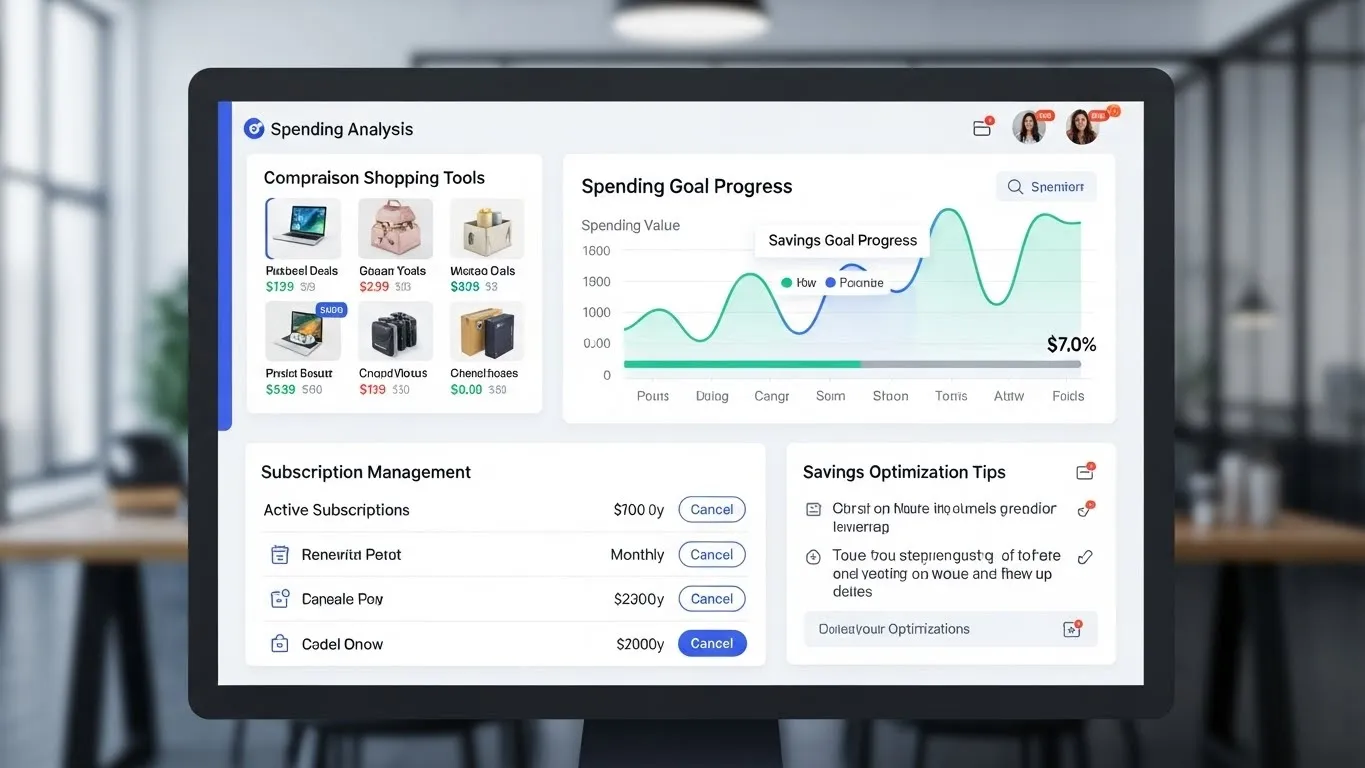
Taking control of your finances starts with a solid budget. In today's economic landscape, understanding where your money goes and making conscious spending decisions isn't just smart; it's essential for achieving financial freedom. This guide offers practical tools and actionable insights to help you build and maintain an effective budget, transforming financial stress into financial empowerment. We’ll explore various methods, from simple spreadsheets to sophisticated apps, designed to make budgeting accessible and sustainable for everyone.
Key Points:
- Budgeting is foundational: A well-structured budget is your roadmap to financial goals.
- Tool diversity: Numerous tools exist, catering to different preferences and needs.
- Consistency is key: Regular tracking and adjustments are vital for success.
- Behavioral shift: Budgeting encourages mindful spending and saving habits.
- Goal achievement: A budget directly supports the attainment of financial aspirations.
Why Effective Budgeting is Crucial for Financial Control
Understanding your income and expenses is the cornerstone of any sound financial plan. Without a budget, it’s easy for money to disappear without a trace, leaving you wondering where it all went. This lack of awareness can lead to accumulating debt, missed savings opportunities, and an inability to prepare for unexpected expenses. By implementing practical tools for budgeting, you gain a clear picture of your financial health, empowering you to make informed decisions. This proactive approach is fundamental to taking control of your finances.
A well-managed budget allows you to:
- Identify Spending Leaks: Discover where your money is being spent unnecessarily.
- Prioritize Financial Goals: Allocate funds effectively towards savings, debt repayment, or investments.
- Reduce Financial Stress: Gain peace of mind knowing your finances are organized.
- Prepare for Emergencies: Build an emergency fund to cover unforeseen events.
- Improve Savings Rate: Consciously set aside more money for future needs and desires.
For further insights into improving your saving habits, explore our related articles on building a robust emergency fund.
Popular Budgeting Methods and Tools
The "best" budgeting tool is the one you'll actually use. Fortunately, the market offers a wide array of options, each with its own strengths. Whether you prefer a hands-on, digital, or hybrid approach, there’s likely a tool perfectly suited to your lifestyle and financial complexity.
1. Spreadsheet Budgeting: The Classic Approach
Spreadsheets, like Microsoft Excel or Google Sheets, offer unparalleled flexibility. You can customize them entirely to your needs, from tracking income and expenses to calculating savings and debt paydown.
- Pros: Highly customizable, free or low-cost, provides a detailed overview.
- Cons: Can be time-consuming to set up and maintain, requires manual data entry, less automated.
- DIY Tip: Many free budgeting templates are available online. Search for "budgeting spreadsheet template" to get started.
This method is excellent for individuals who enjoy granular control and are comfortable with basic spreadsheet functions. It’s a foundational tool for anyone looking to take control of their finances by understanding every single transaction.
2. Budgeting Apps: Modern Convenience at Your Fingertips
Budgeting apps have revolutionized personal finance management. They link to your bank accounts and credit cards, automatically categorizing transactions and providing real-time financial insights.
- Popular Options:
- YNAB (You Need A Budget): Emphasizes giving every dollar a job, promoting proactive budgeting. It’s a paid service but is highly regarded for its effectiveness in changing spending habits.
- Mint: A popular free app that offers comprehensive financial tracking, bill reminders, and credit score monitoring. It provides a holistic view of your financial life.
- Personal Capital: Excellent for tracking investments alongside everyday spending, offering net worth tracking and retirement planning tools. It's free to use for its core features.
- PocketGuard: Focuses on showing you how much is "safe to spend" after accounting for bills and savings goals.
- Pros: Automated tracking, real-time updates, user-friendly interfaces, goal setting, often include alerts.
- Cons: Subscription fees for premium features, potential privacy concerns with linking accounts, less customizable than spreadsheets for some.
These apps are ideal for those who want a streamlined, automated approach to budgeting. They simplify the process, making it easier to stay on track and take control of your finances with minimal manual effort.
3. The Envelope System: A Tactile Approach to Spending
The envelope system is a cash-based budgeting method that helps curb overspending by limiting your available funds for specific categories. You allocate cash into physical envelopes for different expense categories (e.g., groceries, entertainment, utilities). Once an envelope is empty, you stop spending in that category until the next budget period.
- Pros: Excellent for visual learners and impulse spenders, provides a tangible limit, helps prevent overdrafts.
- Cons: Requires carrying cash, can be inconvenient for online purchases, not ideal for large bills that require digital payment.
This method is particularly effective for categories where overspending is common. It’s a direct way to take control of your finances by making spending limits incredibly clear.
4. Zero-Based Budgeting: Every Dollar Has a Purpose
Zero-based budgeting is a method where you allocate every single dollar of your income to a specific category – expenses, savings, debt repayment, or investments. The goal is for your income minus your expenses and savings to equal zero.
- How it works:
- Calculate your total monthly income.
- List all your expenses (fixed and variable).
- Assign every dollar to a category.
- Ensure that Income - Expenses = 0.
- Pros: Maximizes every dollar, forces you to be intentional with your money, helps identify areas for saving.
- Cons: Can be very detailed and time-consuming, requires discipline to stick to.
According to the U.S. Bureau of Labor Statistics' Consumer Expenditure Survey (2022), the average household spends approximately $77,387 annually. Zero-based budgeting helps you scrutinize these expenditures to ensure they align with your priorities. This method is a powerful tool to take control of your finances by ensuring no money is unaccounted for.
5. 50/30/20 Rule: A Simple Guideline
This popular rule suggests dividing your after-tax income into three categories:
- 50% for Needs: Essential living expenses like housing, utilities, groceries, transportation, and minimum debt payments.
- 30% for Wants: Discretionary spending such as dining out, entertainment, hobbies, and vacations.
- 20% for Savings & Debt Repayment: Funds for emergency savings, retirement contributions, extra debt payments, and investments.
- Pros: Simple, easy to understand, provides a flexible framework, encourages balance.
- Cons: May not be suitable for individuals with high debt burdens or very low incomes, categories can be subjective.
The 50/30/20 rule is a great starting point for those new to budgeting or seeking a less rigid structure to take control of their finances.
Differentiated Value: Budgeting in the Age of AI and Behavioral Economics
Beyond traditional methods, modern budgeting is being enhanced by artificial intelligence and insights from behavioral economics. These advancements offer unique ways to optimize your financial habits.
AI-Powered Financial Insights
Emerging AI tools can go beyond simple categorization. They can predict future spending patterns based on your history, identify unusual transactions, and even suggest personalized savings strategies. For instance, some platforms can analyze your subscription services and flag underutilized ones, directly impacting your monthly outflow. Research from Juniper Networks (2024) highlights that AI in finance is increasingly focused on predictive analytics, offering proactive rather than reactive financial advice. This represents a significant shift in how we can take control of your finances by anticipating rather than just reacting to financial events.
Behavioral Economics for Smarter Spending
Behavioral economics teaches us that our financial decisions are often driven by psychological biases. Understanding these biases can help you build a budget that works with your brain, not against it.
- Choice Architecture: Design your financial environment to make desired behaviors easier. For example, automatically transfer savings to a separate account on payday, making it harder to spend.
- Commitment Devices: Use tools that help you commit to future actions. This could be setting up automatic bill payments or using an app that locks away funds until a specific savings goal is met.
- Loss Aversion: Frame savings goals in terms of what you avoid losing (e.g., debt interest) rather than just what you gain.
By integrating these principles, you can create a budget that is not only mathematically sound but also psychologically supportive, making it easier to stick to your financial plan and truly take control of your finances.
Implementing Your Budget: Tips for Success
Starting a budget is one thing; making it a lasting habit is another. Here are some practical tips to ensure your budgeting efforts are successful:
- Be Realistic: Don't set goals that are impossible to achieve. Start with small, manageable changes.
- Track Everything: Diligence in tracking all income and expenses is paramount. Even small, forgotten purchases add up.
- Regular Reviews: Schedule weekly or bi-weekly check-ins to review your spending and make necessary adjustments. Monthly reviews are a minimum.
- Automate Where Possible: Set up automatic transfers for savings and bill payments to reduce the likelihood of forgetting.
- Be Flexible: Life happens. Your budget should be a living document that can adapt to changing circumstances.
- Find an Accountability Partner: Share your goals with a trusted friend or family member who can offer support and encouragement.
- Celebrate Milestones: Acknowledge your successes, no matter how small. This positive reinforcement can be a powerful motivator.
Remember, taking control of your finances is a journey, not a destination. The consistency with which you apply your chosen tools and methods will ultimately determine your success.
Frequently Asked Questions About Budgeting Tools
Q1: What is the easiest budgeting tool for beginners? For beginners, simple budgeting apps like Mint or PocketGuard are often the easiest due to their automated tracking and user-friendly interfaces. The 50/30/20 rule is also a straightforward method to grasp quickly.
Q2: Can I budget effectively without using an app or spreadsheet? Yes, the envelope system is a highly effective tactile method that doesn't require digital tools. It’s particularly good for controlling cash spending in specific categories.
Q3: How often should I update my budget? It's recommended to review your budget at least weekly to track spending and make minor adjustments. A more comprehensive review and update should occur monthly to account for any significant changes and plan for the next period.
Q4: My budget always seems to be overspent. What can I do? If you're consistently overspending, start by meticulously tracking every expense for a month to identify where the money is going. Then, look for non-essential categories where you can realistically cut back. Behavioral economics insights can also help you understand your spending triggers.
Conclusion: Your Path to Financial Empowerment
Taking control of your finances through effective budgeting is one of the most empowering actions you can take. By choosing the right tools, whether it's a detailed spreadsheet, a convenient app, or a tangible envelope system, you are laying the groundwork for financial stability and the achievement of your dreams. Remember that consistency, flexibility, and a willingness to learn are your greatest allies.
Ready to take the next step?
- Start today: Pick one budgeting tool or method and commit to using it for at least a month.
- Refine your approach: If one method doesn't work, don't get discouraged; try another.
- Set clear goals: Define what you want to achieve financially and use your budget to get there.
We encourage you to share your favorite budgeting tips or challenges in the comments below. Your experiences can help others on their journey to financial control. For further exploration, consider reading our guides on debt reduction strategies and smart investing for beginners.