Practical Financial Tools: Master Your Money with Confidence
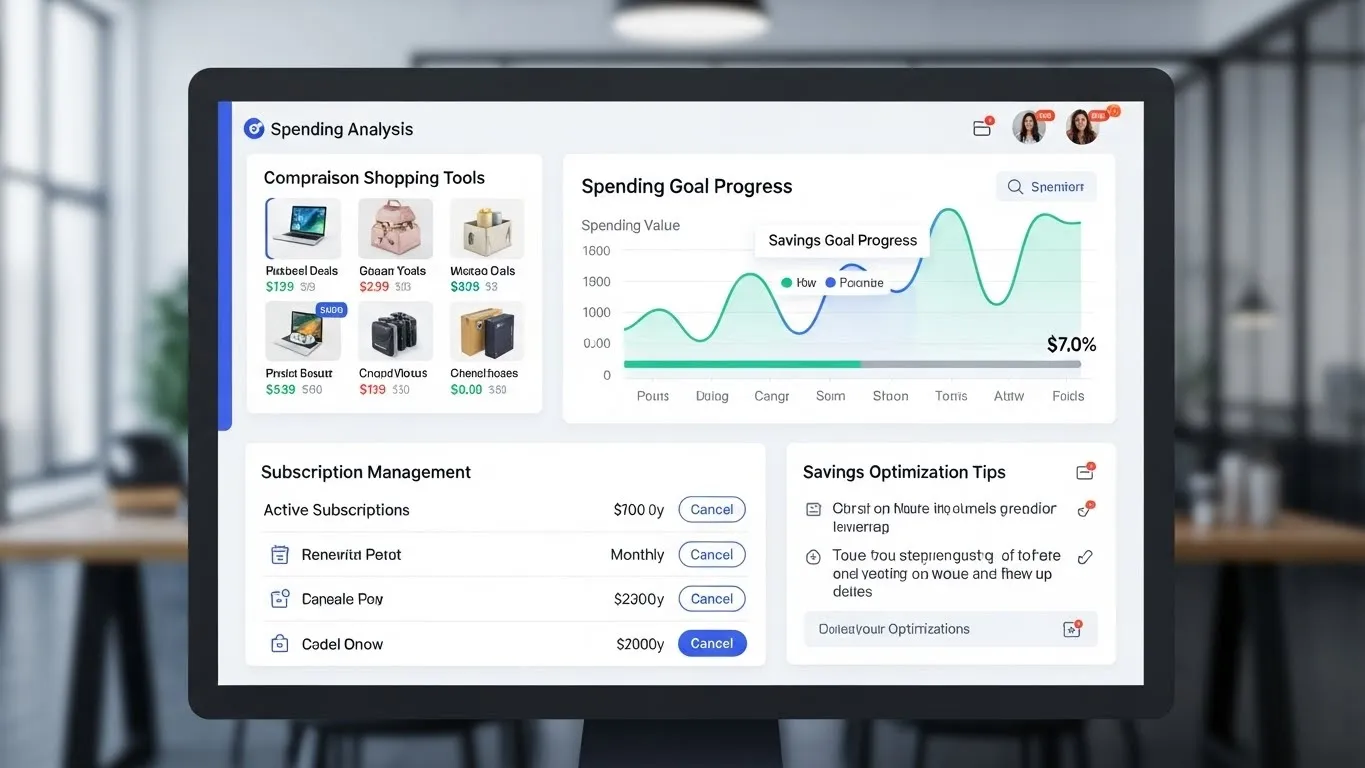
Practical Financial Tools: Master Your Money with Confidence
Navigating the complexities of personal finance can often feel overwhelming, but with the right practical financial tools, mastering your money becomes an achievable goal. These tools, ranging from simple budgeting apps to sophisticated investment platforms, empower individuals to gain clarity, make informed decisions, and build a secure financial future. By leveraging these resources, you can transform abstract financial concepts into concrete, actionable steps, moving from uncertainty to confidence in your financial journey.
This article will explore various types of practical financial tools, offering insights into how they can help you manage your budget, track expenses, grow investments, and plan for long-term goals. We'll delve into both traditional and modern solutions, emphasizing their practical application in everyday life. Understanding and utilizing these resources is a cornerstone of effective financial goals and planning, providing the structure needed to achieve true financial mastery.
Key Points:
- Budgeting & Tracking: Essential tools for monitoring income and expenses.
- Investment Platforms: Resources for growing wealth and achieving financial goals.
- Debt Management: Strategies and tools to reduce and eliminate debt efficiently.
- Financial Planning Software: Comprehensive solutions for long-term goal setting.
- Behavioral Finance Integration: Tools that help overcome common money mistakes.
Essential Practical Financial Tools for Budgeting and Expense Tracking
Effective budgeting is the bedrock of sound financial management, and numerous practical financial tools are designed to simplify this process. These tools help you understand where your money goes, identify areas for savings, and allocate funds towards your financial goals. Moving beyond traditional spreadsheets, modern budgeting apps offer automation and real-time insights, making financial tracking more accessible than ever.
Digital Budgeting Applications
Digital budgeting applications have revolutionized how individuals manage their daily finances. Tools like Mint and YNAB (You Need A Budget) automatically categorize transactions from linked bank accounts, providing a clear overview of spending habits. This automation significantly reduces the time and effort required for manual tracking. Many users find the visual dashboards and customizable reports incredibly helpful for identifying trends and sticking to their financial plans. For instance, Mint offers a comprehensive view of all accounts, bills, and investments in one place, while YNAB focuses on giving every dollar a job, promoting proactive financial decision-making.
Spreadsheet Templates for Detailed Control
While digital apps offer convenience, some individuals prefer the granular control of spreadsheet templates. Programs like Microsoft Excel or Google Sheets provide a flexible framework for creating personalized budgets. You can tailor categories, formulas, and visual representations to perfectly match your specific needs. This hands-on approach can foster a deeper understanding of your financial inflows and outflows. Many free templates are available online, offering a starting point for those who wish to build their own custom financial tracking system.
Expense Trackers for On-the-Go Monitoring
For quick and easy expense logging, dedicated expense tracker apps like Spendee or PocketGuard are invaluable. These tools allow you to record transactions immediately after they occur, preventing forgotten expenses. Some even offer features to set spending limits for specific categories, sending alerts when you're approaching your budget ceiling. This real-time feedback is crucial for maintaining discipline and making necessary adjustments throughout the month. Staying on top of your daily spending is a key component of effective money management.
Leveraging Digital Financial Tools for Investment Growth
Beyond budgeting, practical financial tools are indispensable for growing your wealth through investments. The landscape of investment has been transformed by digital platforms, making it easier for individuals to access markets and manage their portfolios. These tools cater to various experience levels, from beginners to seasoned investors.
Robo-Advisors for Automated Investing
Robo-advisors like Betterment and Wealthfront provide automated, algorithm-driven financial planning services with little to no human supervision. They build and manage diversified portfolios based on your risk tolerance and financial goals. This approach makes investing accessible and affordable, often with lower fees than traditional financial advisors. A 2024 report by FinTech Insights Research indicated that robo-advisor platforms saw a 35% increase in assets under management, highlighting their growing popularity among new investors seeking simplified wealth accumulation strategies.
Discount Brokerages for Self-Directed Investors
For those who prefer to manage their own investments, discount brokerages such as Fidelity or Charles Schwab offer platforms to buy and sell stocks, ETFs, mutual funds, and other securities. These platforms provide research tools, educational resources, and analytical capabilities to help investors make informed decisions. While requiring more active participation, they offer greater control over investment choices and often boast competitive commission structures. Empowering yourself with knowledge is crucial when using these self-directed options.
Portfolio Trackers and Analyzers
Once you start investing, tools like Personal Capital (now Empower Personal Wealth) or Morningstar Portfolio Manager become essential for monitoring performance and analyzing your asset allocation. These tools aggregate all your investment accounts in one place, providing a holistic view of your net worth and portfolio health. They can identify diversification gaps, analyze fee structures, and even project future growth based on various scenarios. Regular portfolio review is a best practice for long-term investment success.
Advanced Financial Tools for Wealth Management and Planning
As your financial journey progresses, more sophisticated practical financial tools become relevant for comprehensive wealth management and long-term planning. These tools help you look beyond immediate needs to secure your future.
Retirement Planning Calculators
Planning for retirement is a critical long-term goal. Online retirement calculators, often provided by financial institutions or independent financial planning sites, allow you to input current savings, expected contributions, and desired retirement age to project your future nest egg. They can help you understand if you're on track or if adjustments are needed. A study published in the Journal of Financial Planning in 2023 emphasized that individuals who regularly use retirement planning tools are significantly more likely to meet their retirement savings goals.
Debt Management and Loan Calculators
Managing debt is a crucial step towards financial freedom. Tools like Undebt.it or simple online loan calculators help you strategize debt repayment, whether through the snowball or avalanche method. They can illustrate how extra payments impact interest paid and the time to become debt-free. Understanding the true cost of debt is vital for effective repayment strategies. For more information on accelerating debt repayment, readers can explore related articles on debt elimination strategies.
Estate Planning Software
While often overlooked, estate planning is a vital component of comprehensive financial management. Software solutions can guide you through creating wills, trusts, and power of attorney documents. While not a substitute for legal advice, they can help organize your assets and wishes, providing a foundational understanding of the process. Securing your legacy involves thoughtful planning.
Differentiated Insights: Integrating Behavioral Finance and AI
Many practical financial tools are now incorporating insights from behavioral finance and artificial intelligence to offer more personalized and effective guidance. This represents a significant differentiation from traditional approaches.
- Behavioral Nudges for Better Habits: Some modern budgeting apps use behavioral science principles to gently nudge users towards better financial habits. For example, they might send reminders about upcoming bills, celebrate small savings milestones, or frame spending limits in a way that encourages adherence. This goes beyond mere tracking, actively helping users overcome common psychological biases like present bias or overspending. Building positive financial habits is often more about psychology than pure math.
- AI-Powered Personalization and Forecasting: The latest generation of financial tools leverages AI to offer highly personalized advice and predictive analytics. AI can analyze spending patterns to suggest optimal savings strategies, identify potential financial risks before they become problems, or even recommend investment adjustments based on market trends and individual goals. This proactive, intelligent guidance offers a level of customization and foresight that was previously only available through expensive human advisors. For example, some platforms can predict future cash flow gaps based on historical data and upcoming bills, allowing users to take preventative action.
Frequently Asked Questions (FAQ)
What are the best free practical financial tools for beginners?
For beginners, excellent free options include budgeting apps like Mint, which offers comprehensive expense tracking and budgeting features by linking your accounts. Google Sheets provides free, customizable spreadsheet templates for manual budgeting. For basic investment insights, many brokerage firms offer free educational resources and tools without requiring an account. These tools are great for building foundational financial literacy and habits.
How often should I review my budget and financial goals with these tools?
It's generally recommended to review your budget at least once a week to ensure you're staying on track and to make any necessary adjustments. For financial goals, a monthly or quarterly review is advisable to assess progress and recalibrate strategies. Major life events, such as a new job or marriage, should prompt an immediate comprehensive review. Consistent engagement with your practical financial tools ensures they remain effective.
Can practical financial tools help with debt management and reduction?
Absolutely. Many practical financial tools include features specifically designed for debt management. They can help you list all your debts, track interest rates, calculate repayment schedules using methods like the debt snowball or avalanche, and visualize your progress. Some tools even offer simulations to show how extra payments can accelerate debt freedom. These resources provide the clarity and motivation needed to tackle debt effectively.
Are there practical financial tools for long-term retirement planning?
Yes, numerous practical financial tools are dedicated to retirement planning. These range from simple online calculators that estimate your future nest egg to more sophisticated software that models various scenarios, considers inflation, and integrates with your investment accounts. Many investment platforms also offer built-in retirement planning modules. These tools are crucial for setting realistic goals and ensuring you're saving adequately for your post-working years.
Conclusion: Master Your Money with Confidence
Embracing practical financial tools is a transformative step towards mastering your money and achieving financial confidence. From diligently tracking your daily expenses to strategically growing your investments and planning for retirement, these resources provide the clarity, automation, and insights needed to navigate your financial journey successfully. By integrating these tools into your routine, you move beyond guesswork, making informed decisions that align with your long-term aspirations.
Start today by exploring the tools mentioned, finding those that best fit your current needs and future goals. The journey to financial mastery is continuous, and these tools are your steadfast companions.
What are your favorite practical financial tools, and how have they helped you master your money? Share your experiences in the comments below!
For extended reading, consider exploring articles on